Electronic music has never been confined to the dancefloor.
Some of its most compelling artists work in the space between electronica, ambient music, melodic house, indie electronic and cinematic soundscapes — music built as much for headphones, long drives and distant landscapes as clubs and festivals.
In 2026, that space continues to evolve. Acoustic instruments sit beside synthesisers. Field recordings become part of the arrangement. House rhythms dissolve into ambient passages. Vocals appear and disappear like another texture in the mix.
If you listen to artists such as Ben Böhmer, Bonobo, Tycho, Lane 8 and Four Tet, these are some of the melodic electronic artists worth exploring in 2026.
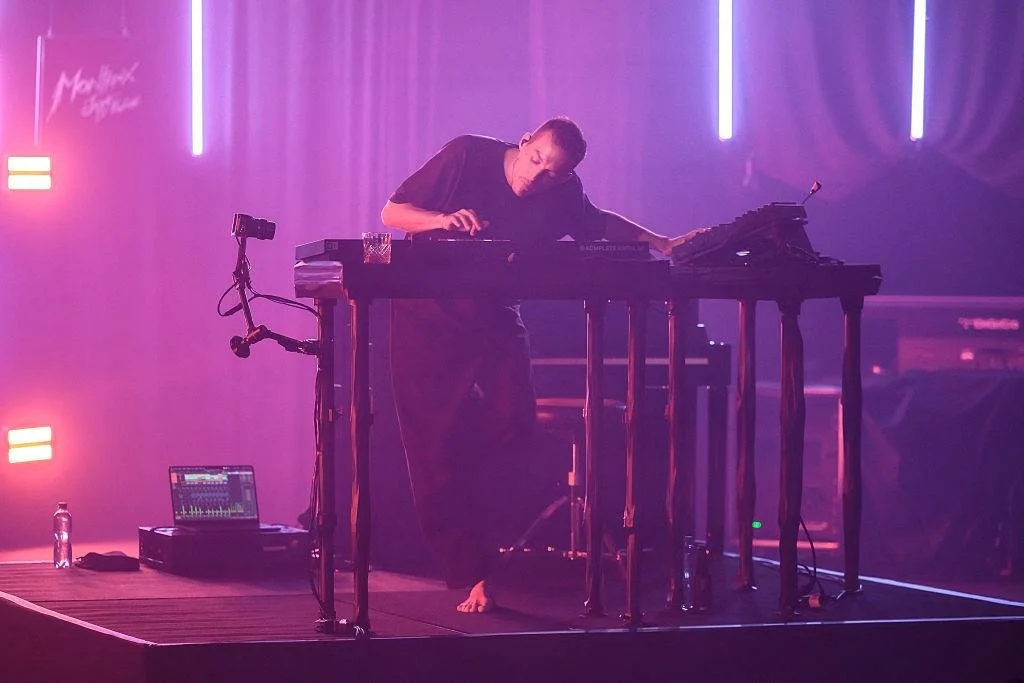
Ben Böhmer
Ben Böhmer
Few producers have helped define modern melodic electronic music as clearly as Ben Böhmer.
His music sits somewhere between melodic house, progressive electronica and atmospheric songwriting, with beautifully controlled synthesis, evolving melodies and an emotional quality that rarely feels forced.
Rather than relying on enormous drops, Böhmer often allows tracks to develop gradually. Elements appear almost imperceptibly, melodies evolve and arrangements breathe.
His 2024 album Bloom expanded that palette further, featuring collaborations with Lykke Li, Oh Wonder, Malou, JONAH and others.
For listeners discovering him for the first time, tracks such as Beyond Beliefs, Breathing, Rust, Hiding and One Last Call provide a strong introduction.
Listen if you like: melodic house, emotional electronica, progressive electronic music and expansive production.
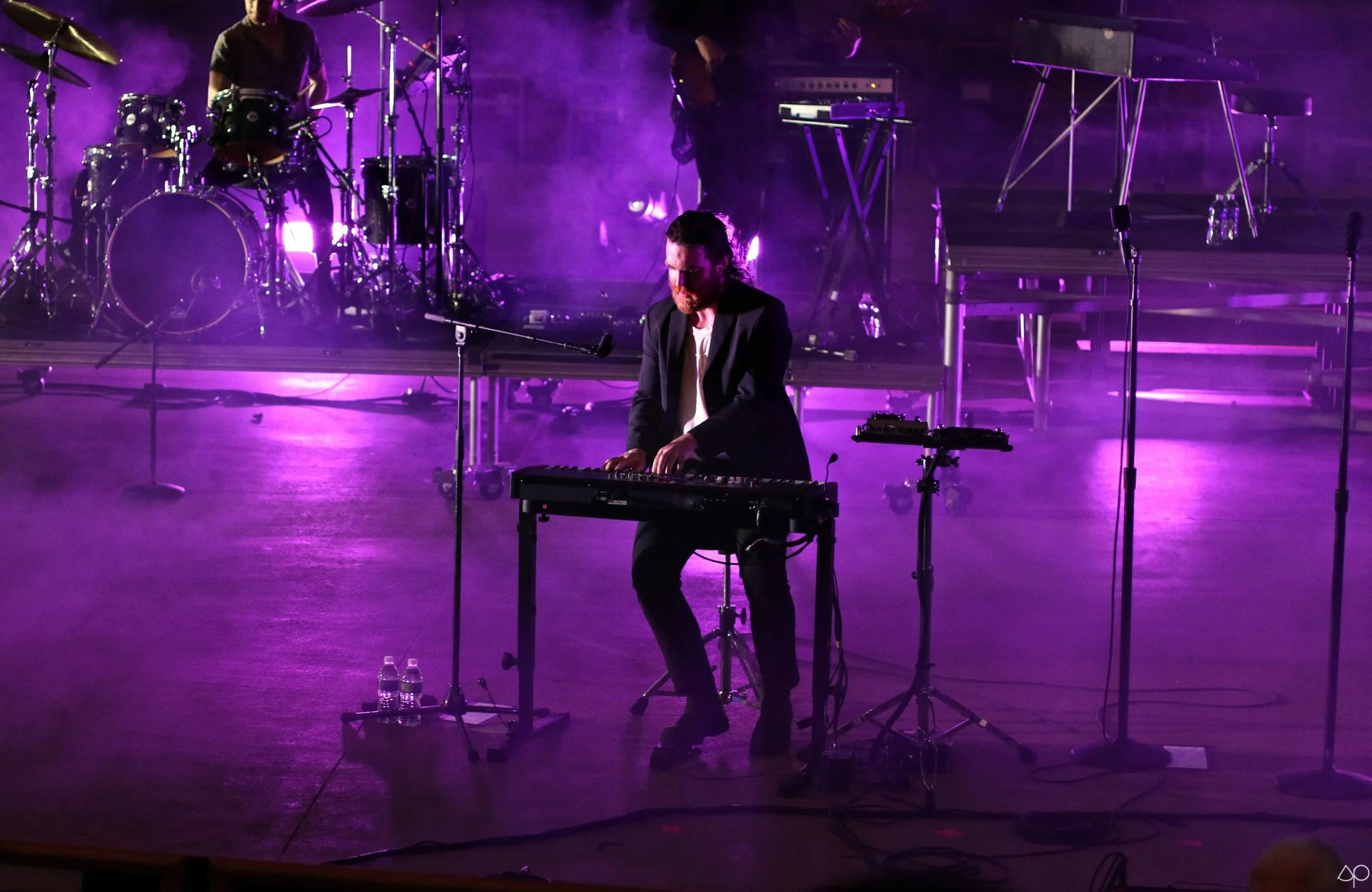
Bonobo
Bonobo
Simon Green — better known as Bonobo — has spent more than two decades demonstrating just how broad electronic music can be.
His records move effortlessly between downtempo, electronica, organic instrumentation, jazz, ambient textures and club music.
Albums including Black Sands, Migration and Fragments have made Bonobo one of the defining artists in modern electronic music, while his live performances have helped demonstrate how electronic production can translate into a full-band environment.
In 2026, Bonobo returned with Distance in Static, continuing a catalogue that constantly shifts between intimate headphone music and much larger rhythmic landscapes.
There is enormous depth to explore here.
Start with Kerala, Cirrus, Linked, Migration and Rosewood, then work outward through the albums.
Listen if you like: organic electronica, downtempo, cinematic electronic music and detailed production.
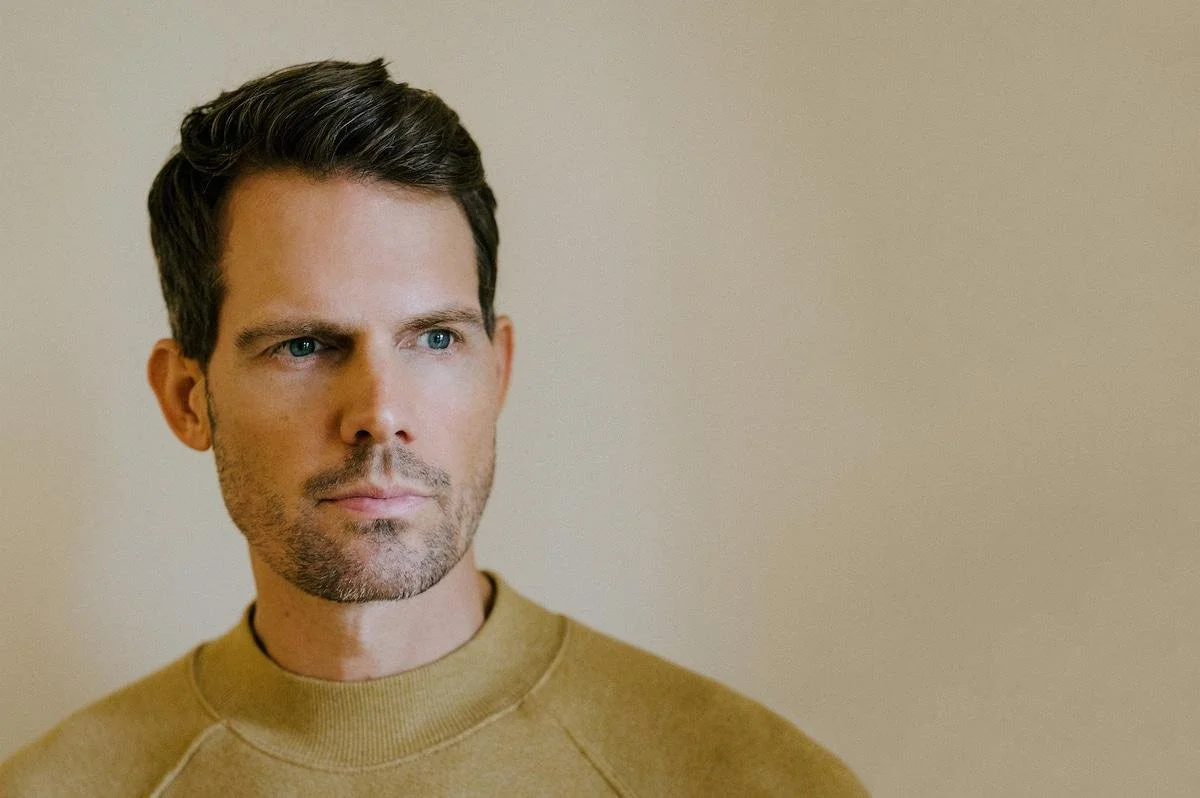
Tycho
Tycho
Tycho's music feels inseparable from landscape.
Scott Hansen's combination of analogue synthesisers, guitars, bass, percussion and visual design has created one of electronic music's most immediately recognisable aesthetics.
There is warmth everywhere.
Rather than sounding aggressively electronic, Tycho's records often feel almost tactile — sunlit guitars, washed-out synthesisers, soft percussion and enormous atmospheric spaces.
Albums such as Dive, Awake and Weather are excellent entry points, while Infinite Health continued to refine that combination of electronic and organic instrumentation.
For a starting point, try Awake, A Walk, Horizon, Hours and Weather.
Tycho is particularly rewarding when heard as an album artist rather than simply through individual tracks.
Listen if you like: instrumental electronica, ambient music, post-rock, photography, travel and cinematic soundscapes.
Lane 8
Daniel Goldstein's Lane 8 project occupies the more melodic and emotional side of house music.
His tracks are often patient, euphoric and introspective rather than aggressive, allowing melodies to gradually emerge over long arrangements.
That approach also extends to his This Never Happened label, which has developed an entire ecosystem around melodic and progressive electronic music.
Lane 8 works particularly well in those moments when you want electronic music with forward momentum without sacrificing atmosphere.
Start with Atlas, Road, Brightest Lights, Sunday Song and Fingerprint.
Listen if you like: melodic house, progressive house, emotional electronic music and long-form listening.
Four Tet
Trying to neatly categorise Four Tet is almost impossible.
Kieran Hebden has spent decades moving between experimental electronica, house, ambient music, garage, folk influences and sample-based production.
What makes Four Tet particularly interesting is his ability to make experimental ideas feel remarkably human.
A tiny vocal fragment, unusual percussion sample or repeating melodic phrase can become the centre of an entire track.
His 2024 album Three demonstrated that beautifully, while new material has continued to appear through 2026.
Tracks including Two Thousand and Seventeen, Teenage Birdsong, Baby, Loved and Three Drums show very different sides of his catalogue.
Listen if you like: experimental electronica, organic sampling, ambient music and electronic music that refuses to stay inside one genre.
Christian Löffler
Christian Löffler creates electronic music that often feels closer to painting than conventional dance music.
His productions combine restrained rhythms with melancholic melodies, environmental textures and enormous amounts of space.
There is often a sense of landscape running through the music — forests, coastlines, isolation, changing weather and distant places.
That makes his work particularly compelling for listeners coming to electronic music from ambient, classical or cinematic music rather than club culture.
Try Haul, Ry, Mare, Beirut and York.
Listen if you like: atmospheric electronica, ambient techno, minimalism and melancholic electronic music.
Jon Hopkins
At its most powerful, Jon Hopkins' music can move from almost complete silence to overwhelming intensity.
His catalogue encompasses ambient music, intricate electronic production and enormous rhythmic pieces designed for immersive listening.
Immunity remains an essential electronic album, while Singularity pushed his combination of physical rhythm and atmospheric sound design even further.
His quieter work reveals another side entirely.
Hopkins is particularly interesting for anyone fascinated by dynamics — the contrast between silence and noise, intimacy and scale.
Start with Emerald Rush, Open Eye Signal, Singularity, Luminous Beings and Abandon Window.
Listen if you like: cinematic electronica, ambient music, detailed sound design and immersive headphone listening.
Tourist
British producer Tourist occupies a beautiful middle ground between electronic songwriting and dance music.
His productions often contain the emotional directness of pop music without abandoning the textures and experimentation of electronica.
Warm synthesisers, manipulated vocals and understated rhythms give his music a deeply human quality.
There is often melancholy underneath even his most uplifting tracks.
Try Elixir, Kin, Apollo, We Stayed Up All Night and Your Love.
Listen if you like: emotional electronica, melodic house, vocal sampling and atmospheric electronic music.
Rival Consoles
Ryan Lee West's Rival Consoles project explores the emotional possibilities of synthesis.
His music can be minimal and repetitive, but small changes in tone, distortion and melody gradually transform the experience.
There is something unusually physical about his synthesisers. They breathe, distort and occasionally sound almost acoustic.
Albums including Persona, Articulation and Overflow reward uninterrupted listening.
Try Recovery, Unfolding, Persona, Sudden Awareness of Now and Vibrations on a String.
Listen if you like: analogue synthesis, experimental electronica, minimalism and cinematic sound design.
Maribou State
Maribou State bring together electronic production, live instrumentation, vocals and organic textures.
Their music frequently sits somewhere between Bonobo's detailed electronica and the warmth of an indie band.
Tracks unfold slowly, often allowing rhythm, vocals and instrumentation to coexist without any one element dominating the production.
For listeners who find traditional electronic music too synthetic, Maribou State can be an excellent gateway.
Start with Turnmills, Feel Good, Nervous Tics, Beginner's Luck and Kingdoms in Colour.
Listen if you like: Bonobo, organic electronic music, indie electronica and downtempo.
Kiasmos
Kiasmos is the collaboration between Icelandic composer Ólafur Arnalds and Faroese musician Janus Rasmussen.
The project combines minimal piano and strings with restrained electronic rhythms and synthesis.
The result can feel simultaneously classical and electronic.
There is an extraordinary sense of space in the recordings, making Kiasmos particularly effective for headphones, travel and quieter listening.
Start with Looped, Blurred, Swept, Bent and II.
Listen if you like: minimal electronic music, modern classical, Icelandic music and cinematic soundscapes.
Nils Hoffmann
Nils Hoffmann sits firmly within the modern melodic electronic world, combining progressive rhythms with atmospheric production and strong melodic ideas.
There is an accessibility to his music that makes it equally suited to headphones, travelling and a melodic-house set.
His work will feel immediately familiar to listeners of Ben Böhmer and Lane 8 while retaining its own identity.
Listen if you like: Ben Böhmer, Lane 8, melodic house and progressive electronica.
SPOTIFY
Parra for Cuva
Parra for Cuva brings an unusually organic quality to electronic production.
World-music influences, acoustic instrumentation, unusual samples and delicate electronic arrangements frequently intersect throughout his work.
The music can feel exploratory without becoming inaccessible — ideal for listeners who enjoy Bonobo but want to move further into atmospheric and globally influenced electronica.
Listen if you like: Bonobo, organic house, downtempo and atmospheric electronic music.
SPOTIFY
Catching Flies
Catching Flies creates understated electronic music built around samples, warm instrumentation, subtle beats and intimate atmosphere.
There is often a late-night quality to the music: reflective, slightly melancholic and beautifully restrained.
Rather than demanding attention, these tracks tend to gradually pull you into their world.
Listen if you like: downtempo, Bonobo, late-night electronica and sample-based production.

Timothy and the Apocalypse
Timothy and the Apocalypse
Australian electronic project Timothy and the Apocalypse approaches this world from a slightly different direction.
Created by landscape photographer and producer Timothy Poulton, the project draws heavily from travel, photography and the environments encountered while working in remote landscapes.
Rather than separating those disciplines, they increasingly overlap.
Field recordings, environmental sounds, photography and memories of particular places can become starting points for tracks. Recent releases such as Ambush and Serial Admirer reflect that approach, drawing inspiration from experiences in Patagonia and Japan respectively.
The result sits somewhere between melodic electronica, cinematic soundscapes, indie electronic music and downtempo — music built as much around atmosphere and place as conventional genre boundaries.
For listeners discovering the project, Ambush, Sunlight, My Hearts Awaken, Serial Admirer and the album What If You Could Fly provide useful starting points.
Listen if you like: Tycho, Bonobo, cinematic electronica, melodic electronic music, travel and atmospheric sound design.
Why Melodic Electronic Music Continues to Grow
Perhaps the most interesting thing about this corner of electronic music is how difficult it has become to define.
The boundaries between ambient, house, electronica, indie music, modern classical and cinematic composition continue to disappear.
That is part of the appeal.
You can hear these records in completely different environments: through headphones late at night, driving across an unfamiliar landscape, editing photographs, working in a studio or standing among thousands of people at a festival.
The technology may be electronic, but the best music in this space remains deeply human.
Where to Start
If you are new to melodic electronic music, don't worry too much about genre definitions.
Start with an artist whose atmosphere connects with you and follow the trail.
Ben Böhmer may lead you towards melodic house. Bonobo can take you into organic electronica and downtempo. Tycho opens a path towards ambient and instrumental music. Four Tet can lead almost anywhere.
That process of discovery is part of what makes electronic music so rewarding.
And in 2026, there has rarely been more of it to explore.
LISTEN ON SPOTIFY>
